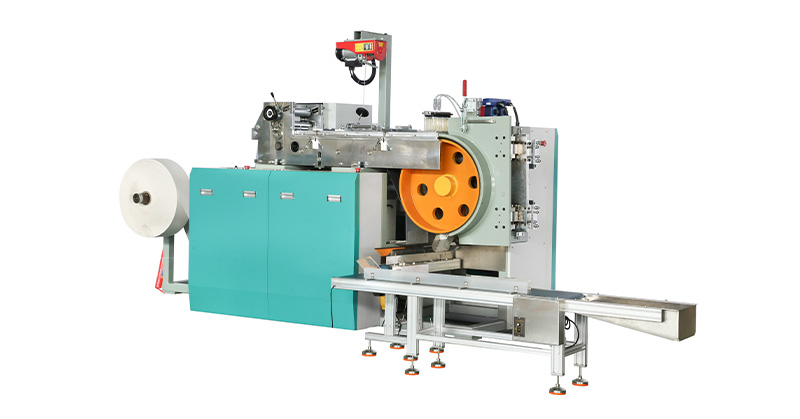
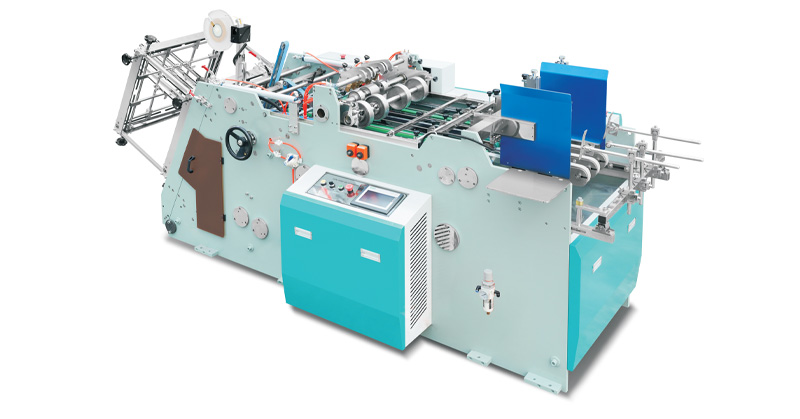
Food businesses worldwide are under increasing pressure to replace plastic packaging with biodegradable alternatives. Whether you operate a fast-food chain, a central kitchen, or a food processing plant, the ability to produce grease-resistant burger boxes and custom-printed food containers in-house can transform your packaging strategy. But with so many variables at play—production speed, material compatibility, regulatory compliance—how do you determine which paper burger box making machine aligns with your actual needs?
This guide breaks down the critical factors to evaluate, helping you move from confusion to clarity.
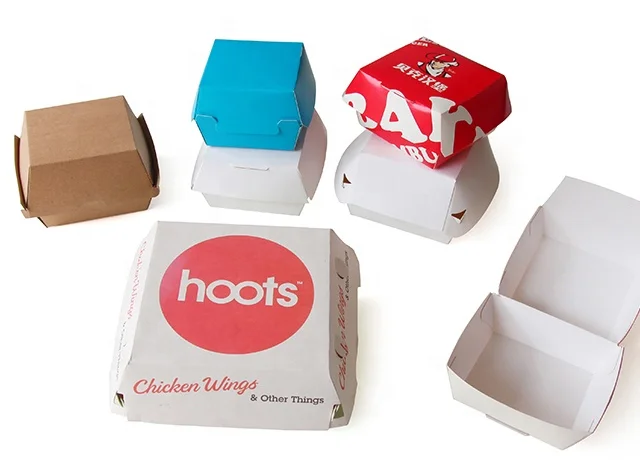
Five Key Features That Define Modern Burger Box Production
Understanding the capabilities of modern equipment is the first step. The following features are reshaping how businesses approach burger box production.
1. Adaptive Material Handling for Diverse Needs
Modern machines can seamlessly process materials ranging from recycled kraft paper to PLA-coated sheets. This flexibility allows brands to create packaging that is both durable and planet-friendly.
Why this matters to you: The ability to switch between recyclable and compostable materials based on local regulations—such as bans on single-use plastics in the EU and Canada—gives you operational agility without requiring multiple machines.
2. Intelligent Automation with Real-Time Analytics
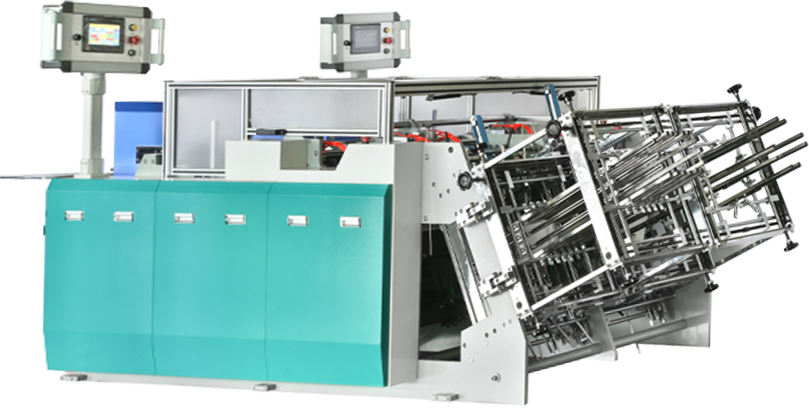
Fully automated paper food box machines now feature touchscreen controls and data dashboards that provide real-time insights into production efficiency and material usage.
Why this matters to you: Predictive maintenance alerts (e.g., notifying operators about worn-out dies) minimize unexpected downtime. This appeals to factories adopting lean manufacturing principles and striving for waste reduction.
3. Modular Design for Rapid Customization
Quick-swap die systems allow businesses to transition from producing classic burger boxes to innovative container designs in under 10 minutes.
Why this matters to you: This supports seasonal packaging updates—such as holiday-themed boxes—without halting production. It also enables cost-effective small-batch runs for limited-edition collaborations.
4. Energy Recovery Systems
Advanced models recycle heat generated during production to power other machine components, potentially slashing energy consumption.
Why this matters to you: This feature aligns with corporate carbon-neutral targets and reduces operational costs for energy-intensive facilities. A significant reduction in energy bills can positively impact your bottom line over time.
5. Integrated Branding Solutions
Direct-printing modules apply logos, QR codes, or promotional messages onto boxes during the manufacturing process.
Why this matters to you: This eliminates the need for external labeling, saving time and costs while enhancing brand visibility for grab-and-go meals.
For a comprehensive understanding of how these technologies are implemented in practical production environments, you can explore the range of paper lunch box machine configurations available for different capacity needs.
What to Consider When Adding a New Paper Packaging Machine Line
Beyond specific features, a broader strategic assessment is essential. When expanding your packaging line, several key factors will determine the success of your investment.
1. Understanding Production Needs and Capacity Requirements
One of the earliest factors to consider is your company's output requirements. Research your current and future output levels and choose the machinery best suited for your business.
How to evaluate: A small food company with low output may not require industrial-strength machinery, while large-volume operations need high-speed systems. Purchasing a very fast system when your requirements don't demand such volume may not be worth the expenditure. Conversely, purchasing a slow machine can create bottlenecks in your plant.
2. Compliance with Food Safety Regulations
Food safety is of paramount significance, and packaging machinery must comply with regional and international food safety regulations, including CE certification.
Key areas to verify:
-
Stainless steel fabrication for contamination prevention
-
Easy-to-clean components for maintaining hygiene
-
Compliance with allergen management protocols
Failure to comply can lead to legal action, sanctions, and damage to your brand's reputation. For export-focused businesses, CE or UL certifications may also influence machine selection.
3. Automation and Technology Integration
Automation plays a major role in modern food packaging lines. Automated systems can increase efficiency, reduce labor costs, and improve consistency in packaging.
Options to consider:
-
Fully automated systems: Reduce human error and operate around the clock, but come with higher upfront costs
-
Semi-automated systems: Provide flexibility while still requiring some human intervention
Consider whether the machinery integrates with other available technology, such as monitoring systems for real-time data tracking and Programmable Logic Controllers for ease of use.
4. Packaging Material Compatibility
The type of packaging material must be commensurate with your machine's capability. Your machine should be able to use the material best for your product while also being compliant with sustainability requirements.
What to check:
-
Heat-sealing compatibility for flexible packages
-
Support for eco-friendly material solutions for sustainability-driven companies
Investing in a machine with versatility across different packaging materials can provide future flexibility and savings.
How Paper Burger Box Machines Align with Global Food Packaging Trends
Understanding broader market trends provides context for your equipment decision. Two significant developments are reshaping the landscape.
The Surge in Biobased Packaging Adoption
The shift toward biobased materials is accelerating at an unprecedented pace. In a landmark move, McDonald's China announced in late 2025 that over 7,500 restaurants would transition to biobased packaging, primarily using polylactic acid (PLA) and paper materials. This initiative is projected to reduce petroleum-based plastic usage by over 5,800 tons annually.
According to industry experts, PLA biobased materials are gaining global attention as a strategic new material aligning with carbon neutrality goals. The successful large-scale application of such materials represents a significant exploration in green packaging innovation for the food service industry. This industry-wide shift means that equipment capable of handling PLA-coated papers and other biobased materials is becoming a necessity rather than a luxury.
Regulatory Pressures and Material Innovation
The regulatory environment is also tightening. As noted in industry analysis, the EU's Packaging and Packaging Waste Regulation (PPWR), set to take effect in 2026, includes clear provisions to reduce packaging waste and promote high-quality recycling. It prohibits the use of PFAS in food contact packaging. This regulatory trajectory reinforces the need for machinery that can work with compliant, non-toxic materials.
A 2024 report from SNS Insider valued the global food packaging market at $414.36 billion, with projections soaring to $644.73 billion by 2032, driven by shifting lifestyles and the rise of recyclable and biodegradable solutions.
Actual Application Scenarios
To illustrate these considerations, let's examine two common scenarios.
Scenario 1: The Growing Fast-Food Chain
A fast-food chain with 50 locations is centralizing its packaging production. Their primary requirement is high-volume output (10,000+ units/hour) and the ability to add seasonal branding. Their key considerations will be machine speed, modular tooling for quick die changes, and integrated printing capabilities. A double-station forming machine would likely be their starting point for evaluation.
Scenario 2: The Eco-Conscious Food Truck Business
A small business wants to create custom-branded, compostable boxes in smaller batches. Their focus is on material flexibility (to use PLA-coated paper) and ease of operation. They may be better served by a semi-automatic or smaller-scale fully automatic machine that offers cost-effectiveness and flexibility.
To see how different businesses have successfully integrated this type of equipment into their operations, you can review case studies on paper lunch box machine applications that demonstrate real-world outcomes.
Next Steps: From Guide to Equipment Selection
Selecting a paper burger box making machine involves balancing your required production capacity, the materials you plan to use, and the level of automation that fits your operational model. Start by defining your core requirements—target box type, daily output, and material preferences.
Once you have clarified these key decision factors, comparing the specific configurations of available options becomes the next logical step. You can review equipment series designed for high-volume scenarios or those optimized for flexible, smaller-batch production. For a structured approach to this comparison, consider the guidelines provided in other resources that discuss how to choose a paper lunch box making machine based on production volume.
Related Reading
-
How to Choose a Paper Lunch Box Making Machine Based on Box Type and Output
-
Understanding Glue Processes: Cold Glue vs Hot Melt in Paper Food Packaging
-
Key Quality Certifications for Paper Packaging Equipment (CE, FDA, SGS)
-
Maintenance Best Practices for High-Speed Paper Forming Machines
-
Paper Packaging Solutions for Fast Food Businesses