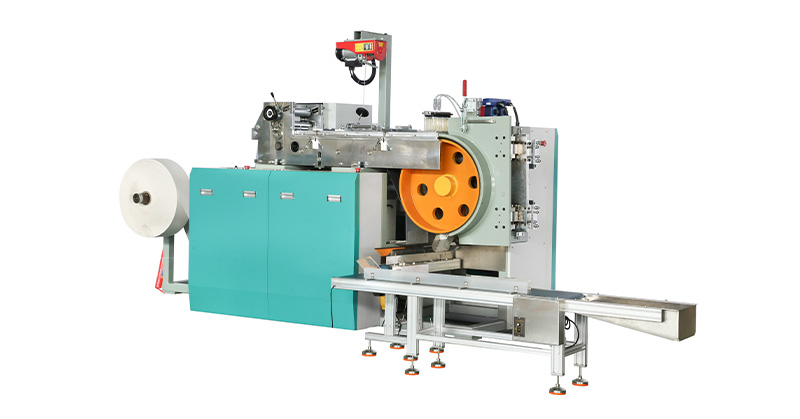
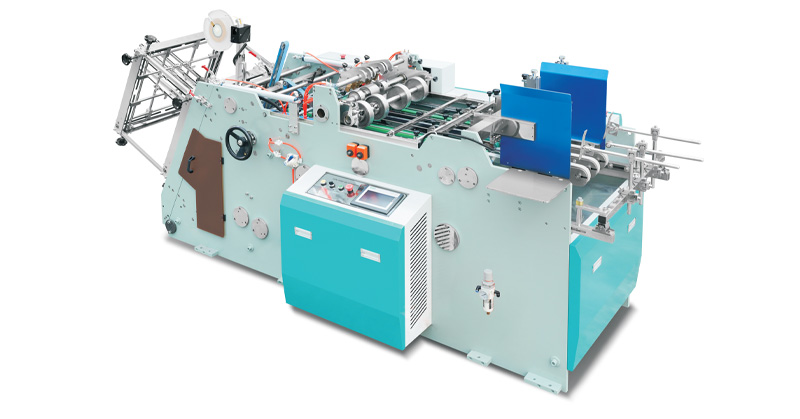
If you’re searching for “how to select eco-friendly paper straw equipment,” you likely already own a small production line—or you’ve been burned by one. The real answer isn’t just “more layers of paper.” It’s about adhesive consistency, drying efficiency, and how the machine handles high-moisture environments without turning straws into mushy failures. Most suppliers hide these specs. Let’s walk through what actually matters.
.webp)
1. The Hidden Cost of “Cheap” Paper Straw Lines
You’ve seen the listings: “fully automatic,” “CE certified,” “eco-friendly output.” Sounds great. But then your workshop hits 30°C with 70% humidity, and suddenly every third straw delaminates. Why? Because entry-level equipment often skips precision temperature control on the glue application unit. Without that, the water-based adhesive either dries too fast (brittle seams) or too slow (sticky failures).
I’ve talked to buyers who replaced their first machine within 18 months. Not because it broke, but because reject rates stayed above 8%, eating their margins. One factory in Vietnam switched to a multi-stage drying tunnel design and dropped waste to 1.2%. That’s the difference between surviving and scaling.
2. What Actually Works in Humid Climates (Real Workshop Data)
Here’s what you won’t find in glossy brochures: the straw winding tension must adjust automatically based on paper roll density. Cheap machines use fixed tension. Result? Tighter winding on the first half of the roll, looser on the second. That creates inconsistent wall thickness, which leads to customer complaints (“my straw collapsed in iced coffee”).
.webp)
A reliable system should include:
-
Servo-driven unwinding with real-time tension feedback
-
Three-zone drying (low-temp pre-dry, mid-temp set, cool-down stabilization)
-
Stainless steel glue pans that resist oxidation from acidic, biodegradable adhesive.s
Without these, you’re not making eco-friendly straws. You’re making landfill-bound prototypes.
3. Why “Output Speed” Is a Trap (Look at Uptime Instead)
Many brands boast “300 straws per minute.” But ask them: what’s the tooling changeover time? What’s the cleaning cycle for the glue system? One client learned the hard way: his fast machine required 45 minutes of scrubbing every 4 hours because the glue tank had dead corners where residue hardened. That’s 3 hours of hidden downtime per shift.
Pro tip: Ask the manufacturer for a video showing a complete glue system disassembly and reassembly. If they hesitate, walk away. The best designs use rounded-bottom tanks with quick-release clamps. You should be able to clean everything in under 12 minutes. That’s a real productivity gain.
Now, when you compare options side by side, eco-friendly paper straw equipment from specialized builders like Hongshuo differs in three overlooked ways: modular glue heads (you can swap them without tools), reject gate logic (it only ejects bad straws, not the two good ones before and after), and paper edge tracking that works even with recycled paper’s uneven edges.
Compare that to universal packaging machinery repurposed for straws. Those who often use mechanical limit switches instead of optical sensors. Result? Constant jams, whether the paper grain varies. Or consider laser-cut die systems vs. cheap stamped blades—the latter leave micro-tears that wick moisture into the seam. Within 20 minutes in a drink, the straw unravels. That’s not eco-friendly; that’s green theater.
4. The Customization Question: Not Optional, Actually Essential
Your paper source might be bagasse-based (more abrasive). Your straw diameter might be 6mm one week, 10mm the next. Off-the-shelf equipment fails here. That’s why tooling modularity matters more than raw speed. You want changeable forming mandrels that lock into position without recalibrating the entire line.
Hongshuo’s team, for example, will ask for three samples of your actual paper rolls—not spec sheets. They run them through a test setup and adjust nip roller pressure and ultrasonic sealing duration before shipping anything. That’s rare. Most brands send a standard unit and say, “Good luck.”
If you’re looking at multiple quotes, ask: “Will you adjust the drying air velocity profile for my local climate?” The ones that say “yes” and explain how—those are your real candidates. For deeper technical specs on how modular design affects long-term cost, explore the modular configuration options here.
5. What About “Paper Straws for Hot Liquids”?
This is where most lines lie. Standard water-based glue liquefies again above 65°C. A proper hot-liquid straw needs a cross-linked bio-polymer adhesive and a cooling zone that brings the seam temperature down before the cutting blade touches it. Without that, the blade smears semi-molten glue onto the cut edge—instant bacteria magnet in storage.
So if you plan to supply coffee shops, demand to see heat resistance test reports (not claims). A reputable supplier will show you 85°C tea tests with no delamination after 30 minutes. If they can’t, they’re selling smoothie straws labeled as “multi-purpose.”
6. Service Life: The Metric Nobody Markets
A well-built paper straw machine should run 16 hours/day for 5 years with preventive maintenance every 500 hours. But here’s the catch: the wear parts matter. Are the cutting blades made of D2 steel or generic stainless? Is the transfer chain sealed or open? Open chains collect paper dust, then seize. Sealed chains add $200 to the BOM cost—and most budget brands skip them. You’ll pay that $200 ten times over in downtime.
For real-world examples of how different build qualities affect the total cost of ownership, see case examples from actual production floors. You’ll notice a pattern: the cheapest machine is never the cheapest after 24 months.
7. Final Checklist Before You Sign Anything
Before you wire a deposit, do this:
-
Ask for a glue consumption per 10k straws (should be under 1.8L for 6mm straws)
-
Run your own paper through their demo unit (video call, live)
-
Check the electrical panel – are relays branded (Omron, Schneider) or generic?
-
Get a written clause for spare parts availability in 4 years
If they can’t provide three of these four, keep looking. The right machine doesn’t just make straws. It protects your reputation as an eco-friendly brand.
Need a benchmark? Request the technical spec comparison sheet to see how drying time, tension range, and adhesive compatibility differ across tiers. Then test everything.