For global takeout leaders racing to satisfy skyrocketing cross-border delivery demands, streamlined packaging manufacturing stands as a decisive operational pillar, and one refined Paper Lunch Box Machine setup balances high-volume order demands, personalized branding needs, and tightening global eco-regulations all at once. Too many large delivery brands underestimate packaging limitations until supply shortages or compliance fines strike, yet purpose-built paper container production frameworks turn this overlooked segment into a tangible competitive edge for long-term brand expansion and consumer trust building.
With over a decade of hands-on consulting experience partnering with food packaging equipment operators across European markets and Southeast Asian emerging delivery sectors, I’ve witnessed a recurring industry blind spot. Most takeout platforms pour resources into app optimization, delivery fleet upgrades, and menu innovation, only to stumble severely due to fragile packaging supply chains. The disconnect between fast-growing consumer eco-preferences and rigid traditional packaging sourcing models has created costly operational gaps, ones that continue to trap mid-sized and enterprise-level delivery brands year after year.
The Unseen Bottleneck: Why Packaging Is Breaking Takeout Supply Chains
Industry data paints an undeniable picture of rapid market expansion and mounting operational pressure. Fact.MR’s 2024 official foodservice packaging report records the global takeout container market reaching a valuation of $109.1 billion, with a projected growth to $163 billion by 2034 at a steady 4.1% CAGR. Supplementary research from 360 Research Reports highlights that global foodservice packaging consumption exceeded 3.1 trillion units in 2024 alone, where paper-based disposable food packaging occupies nearly a quarter of total market consumption.
Year-over-year adoption of eco-friendly packaging alternatives has surged by 22%, driven by dual pressures of policy upgrades and conscious consumer shopping habits. Regional regulatory overhauls act as the sharpest catalyst, with the EU’s 2024 formally approved PPWR banning most single-use plastic food vessels and imposing strict bans on harmful PFAS chemical additives in food-grade packaging materials.
A prominent European regional delivery platform faced a brutal real-world lesson last year. Reliant on outsourced plastic container suppliers for years, the brand failed to adjust its supply layout in advance. Its secondary paper packaging suppliers lacked sufficient daily output to cover 2 million weekly container requirements, triggering a three-day full-scale packaging shortage. Over 1,200 cooperative local restaurants suspended order fulfillment, resulting in a $180,000 regulatory penalty and over $2 million in direct revenue losses from canceled customer orders. This case perfectly illustrates how unstable packaging sourcing can dismantle even the most mature takeout business operations overnight.
Core Operational Demands Large Delivery Brands Require
After collaborating with dozens of international takeout enterprises to optimize their packaging workflows, I’ve summarized four irreplaceable standards that modern custom food packaging equipment must fulfill to support large-scale delivery services. This is never just about mass-producing disposable boxes, but building a flexible, compliant, and cost-controllable production loop adapted to fast-paced catering delivery cycles.
First, non-stop high-capacity output with stable consistency. Holiday order surges, weekend dining peaks, and daily urban dining rush hours require uninterrupted manufacturing capacity. Extended equipment downtime directly leads to restaurant inventory gaps, making 24/7 stable operation a basic industry threshold for large-scale packaging production lines.
Second, rapid format switching for diversified customized packaging. Modern takeout brands rely on differentiated packaging to strengthen brand recognition, ranging from compact burger containers and sealed salad compartments to oversized pizza folding boxes. Quick mold adjustment and format conversion capabilities eliminate long production halts and meet mixed-order personalized production needs.
Third, full compliance with international food safety and eco-material standards. Production hardware must adapt to low-carbon raw materials including sugarcane bagasse pulp, recycled food-grade paper, and plant-based compostable coatings, while fully meeting FDA and EU food contact safety benchmarks to eliminate high-risk chemical additives.
Fourth, scalable cost control for thin-margin catering industries. Every unit production cost fluctuation affects overall profit margins, which means low defect rates, reduced raw material waste, and labor-saving automated operation are essential for long-term operational profitability.
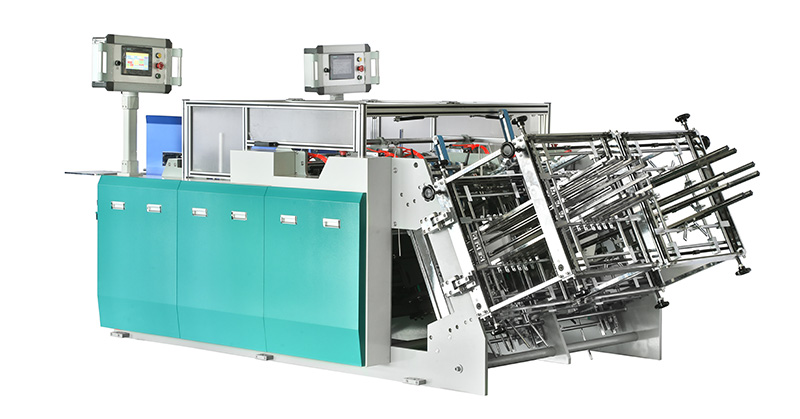
Many enterprises struggle with fragmented outsourced supply chains, juggling multiple small-scale manufacturers for printing, molding, and molding processing separately.
In-House Production: A Long-Term Fix For Cross-Border Supply Instability
For decades, outsourcing remained the default choice for most takeout brands’ packaging procurement. Outsourcing seemed to reduce early equipment investment and labor management burdens, yet hidden supply chain vulnerabilities have gradually surfaced amid global raw material volatility and cross-border logistics delays.
The 2022 global pulp price spike serves as a critical industry warning. Within six months, mainstream pulp raw material costs rose by 24%, prompting third-party packaging suppliers to raise cooperation prices by 20% or higher. Delivery lead times stretched from 7 days to 21 days, and cross-border port congestion further delayed bulk goods transportation, leaving many delivery brands trapped in price hikes and inventory shortages.
Shifting to in-house independent production allows brands to seize control of raw material procurement, production schedules, and inventory reserves. Bulk raw material procurement during low-price cycles locks in long-term cost advantages, while independent production eliminates third-party order queuing and cross-border tariff and logistics uncertainties.
Contemporary automated food container forming system designs further lower the entry barrier for in-house manufacturing. Compact and streamlined line structures only need 2 to 3 on-site operators to complete full-cycle monitoring and material replenishment, even under round-the-clock production modes. This drastic labor cost reduction offsets equipment investment costs in the short term and resists regional labor shortage risks.
Equipment Comparison: Why Outdated Hardware Limits Brand Growth
Not all container manufacturing hardware delivers equal operational value, and choosing outdated second-tier equipment is a common misstep for brands newly transitioning to in-house production. Eliminating backward production hardware is key to matching the long-term development pace of sustainable takeout services.
Traditional plastic container injection molding hardware has become functionally obsolete in the current regulatory environment. Banned plastic single-use vessels face growing regional usage restrictions, and 2024 Nielsen consumer survey data confirms 68% of global diners actively favor brands adopting eco-friendly packaging. Outdated plastic production equipment now represents both regulatory risks and negative brand image impacts.
Semi-automatic manual-assisted paper box machinery, widely used by small processing workshops, also has obvious limitations. With a maximum output of 30 to 40 boxes per minute, its efficiency is far below large-scale delivery brand demands. Segmented processes of independent cutting, printing, and folding require frequent manual material handling, easily causing surface damage and production stagnation. Mold replacement for size adjustments takes 3 to 4 hours, severely restricting flexible mixed production, while a 5% average defect rate causes massive waste of high-cost eco-paper raw materials. Lacking intelligent early warning functions, these devices often suffer sudden failures and unplanned shutdowns.
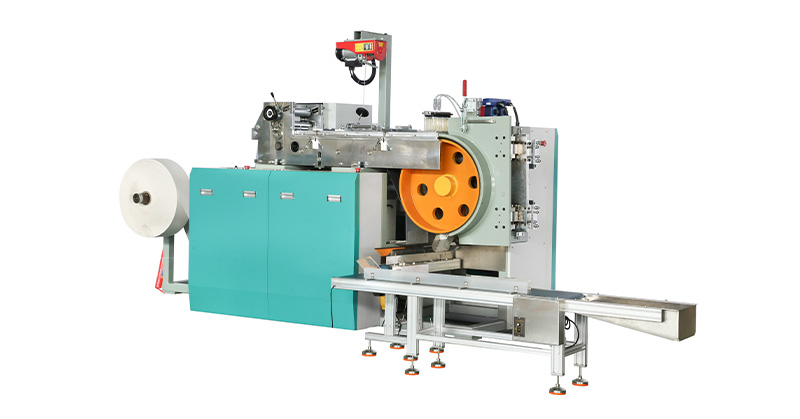
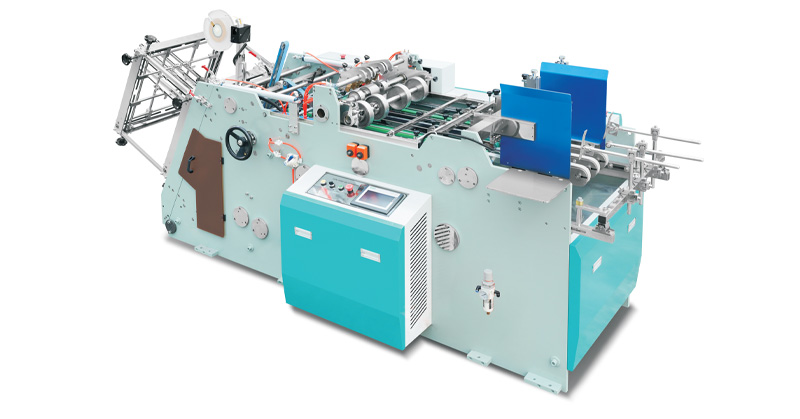
In contrast, one optimized Paper Lunch Box Machine redefines large-scale eco-packaging production standards for delivery businesses. Integrated one-piece workflow merges printing, creasing, cutting, folding, gluing and finished product bundling into a single continuous process, removing manual material transfer links entirely. Its efficient operating speed reaches 80 to 120 units per minute, fully matching daily millions-level container consumption demands of large takeout groups.
Fast mold switching technology shortens style adjustment time to roughly 20 minutes, supporting flexible switching of multiple container specifications within a single working day. The controlled defect rate drops below 0.8%, maximizing raw material utilization and reducing long-term material waste costs. Built-in intelligent operation monitoring modules conduct real-time data tracking of equipment status, predicting mechanical wear and hidden faults in advance to control monthly equipment downtime within 4 hours—an enormous improvement compared to the 2 to 3 days of monthly downtime seen in old machinery.
Adaptable to diversified eco-friendly raw materials, this production hardware fully supports recycled fiber paper, bagasse-based pulp boards and compostable surface coatings, completely removing PFAS components to comply with the latest EU packaging regulations. It precisely meets the core demands of compostable takeout box production and large-batch standardized catering packaging manufacturing, helping brands complete sustainable upgrading from the production end.
Customized Service Ecosystem: Future-Proof For Iterative Industry Demands
Reliable packaging equipment providers do not end cooperation after equipment delivery and installation; they deliver long-term customized service support tailored to unique business scenarios. A one-size-fits-all production solution can hardly adapt to differentiated branding and regional regulatory demands of global takeout brands.
As a professional equipment developer rooted in food packaging manufacturing, HONGSHUO focuses on scenario-based customized design. In-line brand printing modules can be independently integrated according to brand needs, realizing one-stop production of finished products with printed logos and brand patterns. Modular assembly structures allow enterprises with limited initial budgets to start with basic configurations and gradually add functional modules and expand production capacity alongside market expansion, avoiding redundant overall equipment replacement.
Professional after-sales support forms another core advantage. The brand’s technical team provides on-site installation, equipment calibration and on-the-job operational training for local staff. Remote real-time equipment monitoring enables engineers to remotely diagnose minor faults and optimize operating parameters, while a global service team guarantees rapid on-site maintenance support for cross-border production bases.
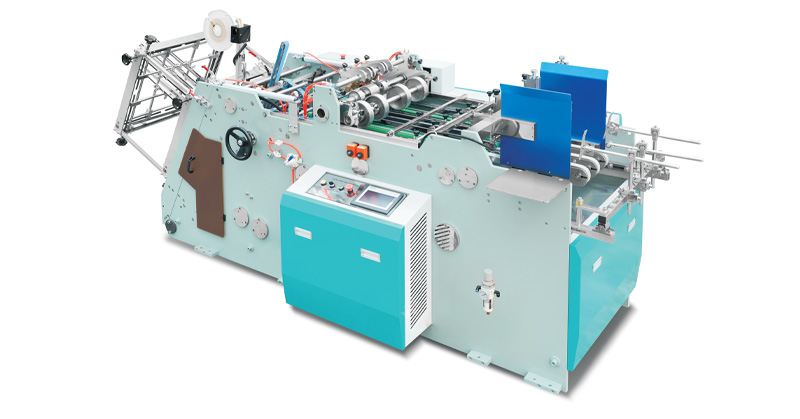
The European delivery brand mentioned earlier rebuilt its packaging supply chain with customized integrated production lines after the massive shortage incident. Within half a year, the brand cut overall packaging costs by 21%, achieved full compliance with EU waste and packaging regulations, and lifted customer satisfaction scores by 12% thanks to high-quality branded eco-packaging. What began as a passive crisis response evolved into an active brand differentiation advantage in the competitive local delivery market.
This case reflects the core value of modern paper container production systems: they resolve immediate supply chain pain points while building long-term regulatory adaptation capabilities, cost control advantages, and brand image competitiveness. For takeout enterprises navigating fluctuating market demands and tightening global green policies, upgrading packaging production hardware is no longer an optional optimization but a necessary strategic layout.
Every link in catering delivery is interconnected, and the humble takeout box carrying food has become a key battlefield for supply chain stability and sustainable brand competition. Reasonably selecting matched high-efficiency, flexible, and eco-friendly production equipment will help takeout giants maintain steady growth amid industry changes and consumer demand upgrades.