When buyers compare paper straw machines, they usually start with the machine speed. That is the wrong starting point. The paper roll you choose determines what the machine can actually produce. GSM, layer count, roll width, and target diameter are linked. Change one, and the others must adjust.
This guide explains those relationships so you can define your production requirements before contacting a supplier.
1. Why Paper Roll Specifications Come Before Machine Selection
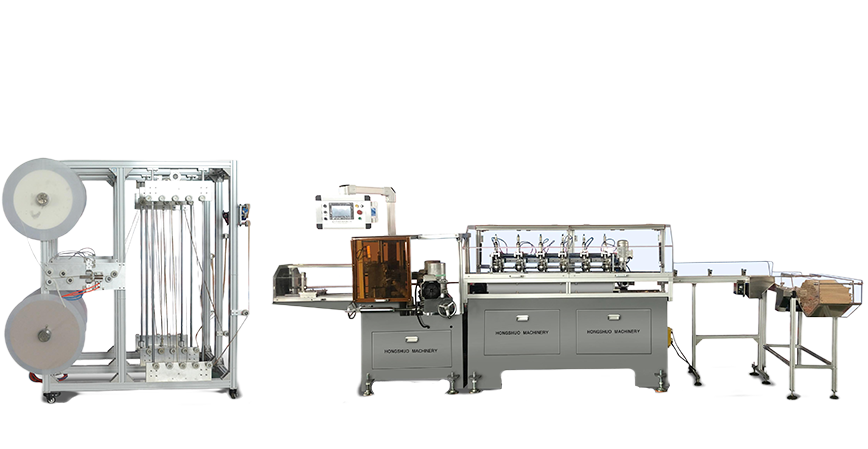
A paper straw machine is a forming platform. It applies tension, heat, and pressure to transform narrow paper strips into tubes. The machine does not create the straw specification. The paper roll does.
If you select a machine first and then try to find paper that fits, you may face three problems:
- Paper mismatch: the machine cannot achieve the required diameter with the available paper width.
- Output shortfall: the paper is too thick or too thin to run at the target speed.
- Waste increase: the paper tension and glue system are not matched to the paper grade.
The practical sequence is: define the straw, define the paper, then match the machine.
2. The Core Relationship: Diameter, Layer Count and Roll Width
A paper straw is built by winding multiple narrow paper strips around a forming rod. The number of layers and the width of each strip are determined by the target outer diameter and wall thickness.
A general guideline from paper straw production:
- 3 layers are common for most drinking straws.
- 4 layers may be used for larger diameters or thicker walls.
- The innermost layer is typically a lower GSM paper (around 60 g/m²) to form a smooth inner surface.
- Outer layers use a higher GSM paper (around 120 g/m²) for strength and printability.
The roll width must match the circumference of the layer being wound. For a 6–8 mm outer diameter straw, typical paper roll widths are in the range of 13.5 mm to 15 mm for the different layers. If the roll is too wide, the layers overlap excessively and create an uneven surface. If the roll is too narrow, the layers do not cover the full circumference and the straw may delaminate.
This is why you cannot simply order "paper straw paper" without specifying the diameter and layer structure.
3. GSM: How Paper Weight Affects Forming and Output
GSM (grams per square meter) affects stiffness, forming behavior, and cutting quality.
Our paper straw machine is typically compatible with paper in the 40–80 g/m² range for the forming layers, with the actual GSM structure depending on the straw specification. Common configurations use 60 g/m² for the inner layer and 120 g/m² for outer layers in a 3-layer structure.
What GSM changes in production:
| GSM range | Forming behavior | Typical use |
|---|---|---|
| Lower GSM (40–60) | Easier to wind, softer straw | Inner layer, standard cold-drink straws |
| Higher GSM (80–120) | Stronger wall, more forming pressure | Outer layer, straws requiring rigidity |
If the paper is too thick for the target diameter, the machine may not be able to close the final layer cleanly. If the paper is too thin, the straw may collapse in the drink or fail the seam strength check.
For a more detailed discussion of paper types and coating options, see our paper straw machine specification page.
4. How to Calculate Realistic Output from Paper and Machine Specifications
Machine speed is usually listed in meters per minute (m/min). Buyers often need pieces per minute (pcs/min). The conversion depends on straw length and a cut-waste allowance.
The basic formula is:
pcs/min = line speed (m/min) × 1000 / straw length (mm, including cut allowance)
For example, at 60 m/min with a 200 mm cut length (including allowance), the theoretical output is:
60 × 1000 / 200 = 300 pcs/min
Our listed paper straw machine range shows a forming line speed of 40–100 m/min. At 40 m/min and 200 mm cut length, the theoretical output is 200 pcs/min. At 100 m/min and the same length, it is 500 pcs/min.
However, theoretical output is not sellable output. Three factors reduce the real number:
- Reject rate during startup: the first meters of a new roll or a new size may not meet quality standards.
- Paper roll changes: splicing and tension reset take time.
- Cut consistency: if the cutter is not matched to the paper thickness, short or long straws increase waste.
When you request a quotation, ask the supplier to calculate output using your exact straw length, paper GSM, and target diameter. A machine that runs at 100 m/min with your paper may produce fewer sellable straws than a machine that runs at 70 m/min with better forming stability.
5. Material and Coating Considerations for Liquid Resistance
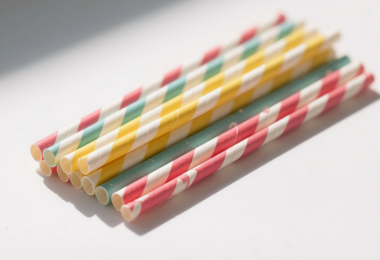
Standard food-grade kraft paper is sufficient for cold drinks and short service times. For longer service or hot beverages, a coating may be required.
PLA coating is a common biodegradable option. It helps the straw maintain integrity in liquids, but it changes the forming behavior. Coated paper may require different tension settings, drying temperatures, and glue parameters compared to uncoated paper.
If your target market requires PFAS-free paper, mention this before machine selection. Some water-resistant paper systems form differently from standard kraft paper. The machine supplier should be able to discuss how paper type affects forming pressure, speed, and finished straw strength.
For a full list of supported paper types, see our paper straw material FAQ.
6. Pre-Production Checklist: What to Confirm Before Ordering
Use this list to define your paper and production requirements before contacting a machine supplier:
- Target straw outer diameter (mm)
- Target straw length (mm)
- Number of paper layers (3 or 4)
- GSM for each layer (inner and outer)
- Paper roll width for each layer (mm)
- Paper type: kraft, bleached, coated (PLA or other)
- Required output: pcs/min, pcs/shift or pcs/day
- Required certification for the target market (FDA, EU, PFAS-free)
With these specifications, a machine recommendation can be based on what the machine can actually produce with your material.
If you are at the planning stage and need help matching paper specifications to a production target, send your straw size and paper details to our team for a practical review.
FAQ
What GSM paper is used for paper straws?
The forming layers typically use paper in the 40–80 g/m² range. A common 3-layer structure uses approximately 60 g/m² for the inner layer and 120 g/m² for outer layers, depending on the straw diameter and wall strength requirement.
How many layers does a paper straw need?
Most drinking straws use 3 layers. Larger diameters or straws requiring higher wall strength may use 4 layers. The layer count is determined by the target outer diameter and wall thickness.
How do I calculate paper straw machine output?
Use the formula: pcs/min = line speed (m/min) × 1000 / straw length (mm, including cut allowance). For example, 60 m/min with a 200 mm cut length gives approximately 300 pcs/min theoretical output. Actual sellable output depends on reject rate and paper forming stability.
Can I use coated paper for paper straws?
Yes. PLA-coated paper is a common biodegradable option for improved liquid resistance. Coated paper may require different machine settings compared to uncoated kraft paper.
What roll width do I need for a 6 mm paper straw?
For a 6–8 mm outer diameter straw, typical paper roll widths are in the range of 13.5 mm to 15 mm for the different layers. The exact width depends on the layer position and the target wall thickness. Confirm with your supplier based on the final straw specification.
How does paper GSM affect machine speed?
Higher GSM paper requires more forming pressure and may reduce the maximum stable line speed. Lower GSM paper forms more easily but may produce a softer straw. The optimal GSM depends on the balance between straw strength, forming stability, and target output.
Conclusion
The paper roll determines what the machine can produce. Before comparing paper straw machine models, confirm the straw diameter, layer count, GSM structure, roll width, and target output. Use the pcs/min formula to estimate realistic capacity from line speed and straw length. Then match the machine to the paper, not the other way around.
If you have a straw sample and a paper specification, our technical team can review the forming feasibility and recommend a configuration based on your actual production plan.
Related Reading
- How to Select Eco-Friendly Paper Straw Equipment
- Which Paper Straw Machine Delivers Low Waste & Stable Output for Mass Production?
- Paper Straw Machine for Forming, Cutting and Packing Biodegradable Straws
- Paper Straw Machine Case in Vietnam
- Paper Straw Machine Price: Cost Ranges, Key Factors & Buying Tips