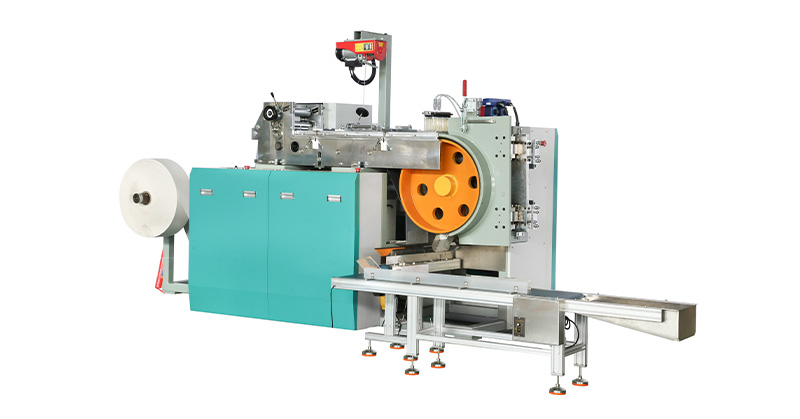
Most paper lunch box machine buying decisions start with a machine model. That is the wrong order. The machine should be the last thing you confirm, after the box, the material, the output target, and the glue process are clear. This checklist covers the seven items we review with every buyer before recommending a configuration.
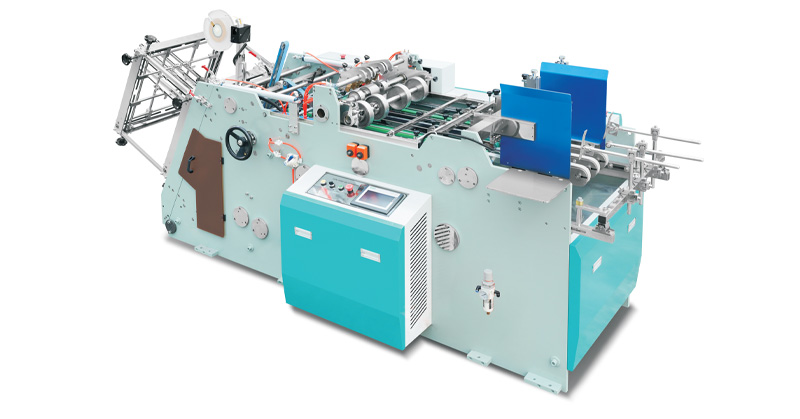
1. Box Type and Folding Structure
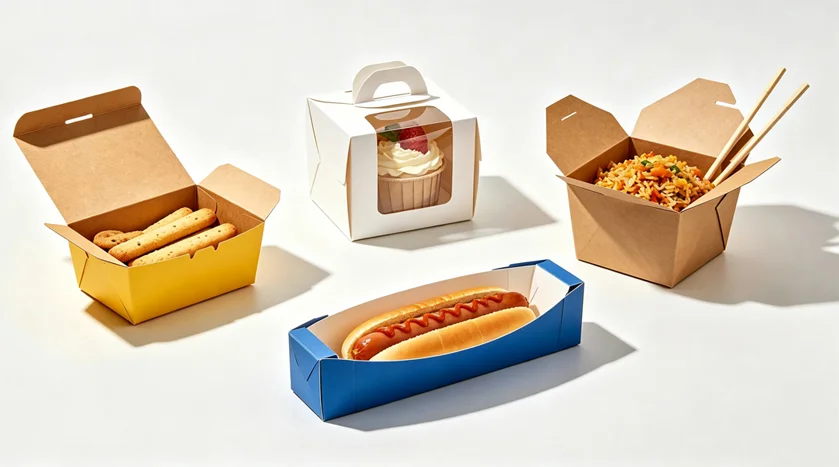
The box comes first. Flip-top, boat-shaped, window, fold-over, and lock-bottom boxes do not share the same forming layout. They need different mold designs, different glue positions, and sometimes different forming pressure settings.
Confirm the following before looking at machine models:
- Box style: flip-top, boat-shaped, window, fold-over, lock-bottom or custom
- Folding method: tuck-in, lock, adhesive seal or interlocking
- Corner structure: square, rounded or angled
- Whether the box needs a window film or a compartment divider
If you only have a finished box sample, that is enough for an initial mold evaluation. If you have a die-cut drawing, it is better. The more structure detail you provide, the fewer assumptions we need to make during mold design.
For a closer look at how these box styles are used in practice, see our paper lunch box machine applications.
2. Box Dimensions and Size Range
A machine may be listed for a size range, but your actual production plan determines whether that range works. Consider:
- The largest and smallest box you plan to produce
- Whether you need to switch between sizes on the same machine
- How often size changes happen per shift
- Whether the mold can be adjusted or must be replaced
If your product range includes both a small pastry box and a large takeaway container, a machine with a wider adjustable range may be more suitable than a machine optimized for a single size.
3. Paper Material and Grammage
Our paper lunch box machine range is listed for 200–600 g/m² cardboard, coated paper, and corrugated paper. But the listed range is not the same as confirmed compatibility. The actual paper grade, coating type, crease line, and food packaging requirements all affect forming performance.
Ask these questions before confirming a machine:
- What paper grade will you use most often?
- Is the paper single-side coated, double-side coated or uncoated?
- Does the box need a PE coating for liquid resistance?
- Will the paper be pre-printed before forming?
- What is the crease line depth and direction?
A paper that forms well in one box style may need different settings in another. Material confirmation should happen with the actual paper sample, not with a generic specification sheet.
4. Output Target and Production Planning
Production capacity is not a single number. It is a calculation that includes working shifts, mold change time, maintenance downtime, and downstream collection.
Define your output target this way:
- Required pieces per minute at the forming station
- Required pieces per shift or per day
- Number of working shifts per day
- Planned downtime for mold changes per week
- Expected order growth over the next 12–24 months
If your target is close to the upper limit of a single-station machine, a double-station configuration may provide more room for future orders. Our listed range shows 60–300 pcs/min for single-station and 120–600 pcs/min for double-station configurations. Actual output depends on box size, paper material, glue process, and machine settings.
You can review the available paper lunch box machine configurations to compare station options.
5. Mold Customization Requirements
Different box structures need different molds. If you have a sample or drawing, we evaluate the folding structure, glue position, and forming pressure before recommending a mold plan.
Prepare these details for mold evaluation:
- Box sample or die-cut drawing
- Target dimensions with tolerance
- Paper material and grammage
- Whether the box needs embossing, debossing or printing registration
- Expected production volume per mold
If the box has a special shape or a tight sealing requirement, mold review should happen before the machine model is confirmed. A mold that is designed after the machine is ordered may require extra adjustment time during commissioning.
6. Glue Process: Cold Glue, Hot Melt or Both
Cold glue is the standard process for food-grade paper food box production in our configuration. Hot melt adhesive is available when the project requires it. The choice affects glue consumption, heating energy, bonding speed, and box structure.
Confirm the glue process together with the box sample, not after the machine is ordered. The key questions are:
- Does the box structure require a specific adhesive type?
- Is the production speed compatible with the chosen glue process?
- What is the local packaging standard for food contact?
- Is heating energy a concern for the factory?
For a detailed comparison of cold glue and hot melt in paper box production, see our article on Cold Glue or Hot Melt for Paper Lunch Box Line.
7. Factory Conditions and Installation Requirements
Machine configuration is not the only thing to confirm. Factory conditions affect delivery preparation, installation time, and commissioning.
| Item | Why It Matters |
|---|---|
| Factory voltage | Affects electrical component selection |
| Available floor space | Determines machine layout and material handling |
| Compressed air supply | Required for certain pneumatic functions |
| Installation country | Affects shipping, certification, and support planning |
| Local technical support | Affects response time for service requests |
These points are not administrative details. They directly affect the machine configuration and the time required for installation and commissioning.
Pre-Selection Checklist
Use this list before contacting a supplier:
- Box sample, die-cut drawing or finished product photos
- Box dimensions and folding structure
- Paper material, coating and grammage range
- Required output per minute and per shift
- Preferred glue process
- Factory voltage and installation country
- Expected delivery schedule
- Any special quality or certification requirements
With these details, a machine recommendation can be based on the actual production plan instead of a general model list.
If you already have a box sample, you can request a production review, and our technical team will evaluate the box structure, material, and output plan.
Frequently Asked Questions
What if I don't have a die-cut drawing, only a finished box?
A finished box sample is enough for an initial evaluation. We can measure the box, assess the folding structure, and provide an initial mold assessment. A die-cut drawing is preferred for final mold design.
Can one machine produce multiple box sizes?
It depends on the machine configuration and mold design. Some machines support adjustable size ranges. Others are optimized for a specific box size. The mold change time and adjustment method should be confirmed with the supplier.
How do I know if my paper material will work?
Provide a paper sample with the box sample. We can evaluate the paper grade, coating, and crease line against the box structure. Final compatibility should be confirmed through a forming test.
What is the minimum information needed for a quotation?
At minimum: box sample or drawing, paper material, required output, and installation country. Glue process preference and factory voltage help refine the configuration.
Should I choose single-station or double-station?
Choose single-station for startup production or flexible box styles. Choose double-station when you need higher capacity or multiple specifications. A full servo independent double-station configuration is suitable for industrial production with tighter precision and stability requirements.
How long does mold design take?
Mold design time depends on box complexity and whether a drawing is available. A simple box structure with a clear drawing may take less time than a complex structure with a sample only. The supplier should provide an estimated timeline after reviewing the box requirements.
Conclusion
The machine is the last decision, not the first. Confirm the box type, dimensions, material, output target, mold requirements, glue process, and factory conditions before comparing machine models. A recommendation based on incomplete requirements often leads to extra mold changes, longer commissioning time or a machine that does not match the actual production plan.
If you are at the early stage of a paper lunch box production project, start with the box. Send your sample, material, and output plan to our team for a practical review.