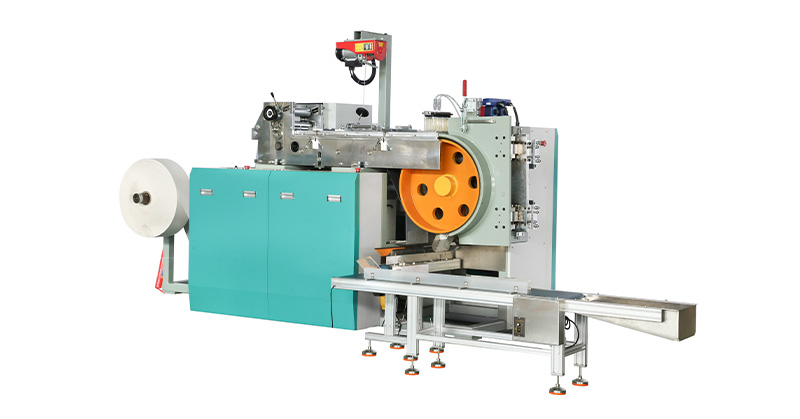
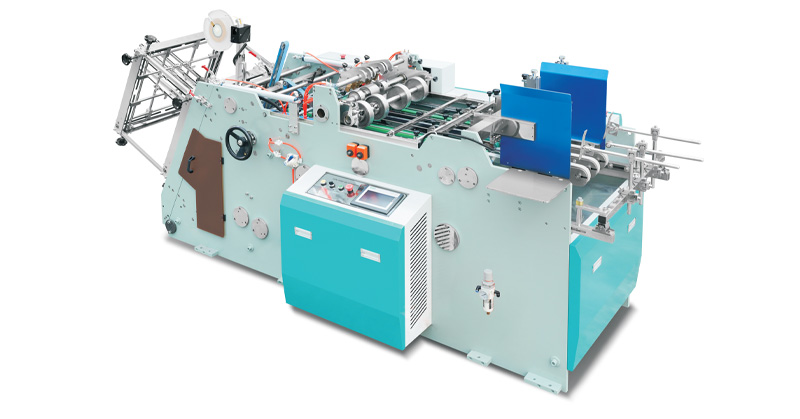
You run a busy bubble tea shop. Three types of straws in stock. The jumbo ones for smoothies, the standard for milk tea, the narrow ones for your signature fruit teas. And somehow, you're always running out of the right size at the worst moment. Delivery delays. Minimum order quantities that bury you in boxes. And that nagging thought: what if we just made our own?
Let’s be real. Bringing straw production in-house isn't for every shop. But for multi-location operators, high-volume kiosks, or franchise owners, the math is starting to shift. According to a 2023 packaging cost survey by Modern Restaurant Management, beverage-focused businesses spend an average of 0.008–0.008–0.015 per plastic straw and 0.025–0.025–0.045 per eco-friendly paper alternative. With monthly volumes above 30,000 straws, that annual cost passes $10,000—just for disposable tubes.
So what does it actually take to produce your own? Let's walk through the real-world checklist.
1. First Question: How Much Straw Do You Actually Use?
Before looking at any equipment, audit your last six months. Count every straw size. Most shops assume they use more large-diameter straws (for tapioca pearls), but cold beverage stores often see 55% standard size, 30% wide, 15% narrow. That mix matters because forming mandrel changes take time.
If your monthly total is under 10,000 straws, keep buying from a wholesaler. Seriously. The break-even point for owning a compact straw former typically starts around 25,000–35,000 straws per month, depending on your local coated paper cost (which ranges from 900to900to1,600 per metric ton for food-grade kraft in 2024–2025). Below that threshold, the machine's idle time eats your savings.
2. Space & Utilities: The Hidden Readiness Test
A typical tabletop straw unit needs about 6–8 square feet of counter space. But that's just the forming machine. You also need:
-
Paper roll storage (keep it humidity-controlled – above 60% RH and your straws delaminate)
-
Cut straw inventory area (at least 25 sq ft if you run a week's supply)
-
Operator station with good lighting (those adhesive inspection points need visibility)
A Singaporean bubble tea chain with 12 outlets tested in-house production at their central kitchen. They dedicated 80 square feet and one part-time operator running two machines. Within three months, they cut straw procurement costs by 38% and eliminated stockout emergencies completely. But they had the space. A tiny 300 sq ft shop? Not happening.
3. Output Speed vs. Your Peak Hour Demand
Here's where most shop owners get tripped up. You see “60 straws per minute” on a spec sheet and imagine cranking out a month's supply in an afternoon. Reality check: that's peak cycle rate under ideal conditions with virgin paper. Your actual sustained output with recycled-content paper and size changes will be 50–70% of that number.
Calculate your required hourly production this way:
Weekly straw usage ÷ 5 production days ÷ 4 operating hours per day = needed straws per hour
If you need 2,000 straws per week, that's 100 per hour of actual run time. Easy for any machine. But if you need 2,000 straws per day across three sizes and plan to run only 2 hours daily, you need 1,000 straws per hour. That pushes you into multi-lane or high-speed single lane territory—which costs significantly more.
One boba franchise owner in Texas shared his rule: “If you can't dedicate a full shift per week to production, buy from a local manufacturer instead.” Wise words.
4. Adhesive & Paper Compatibility: The Make-or-Break Detail
Not all water-based adhesives work the same. For cold drinks (0–4°C), standard dextrin-based glue is fine. But for hot bubble tea (65–80°C), you need cross-linked adhesive that won't re-liquefy. Cheap machines don't handle cross-linked glue well because it has different viscosity and requires heated glue tanks to stay workable.
Similarly, paper weight matters. Most shop-level formers accept 120–200 gsm. But if you want straws with 3-ply thickness for extra firmness, you're looking at 180–220 gsm material. Make sure the machine's tension control can handle heavier paper without tearing—many compact units can't.
If you're evaluating different production scales and want to see how adhesive systems differ between entry-level and commercial configurations, check the technical adhesive compatibility chart here.
5. The Operator Learning Curve (It's Real)
You're not hiring a trained technician. You're training Vivian from the afternoon shift. The learning curve includes:
-
Threading paper through the tension rollers (takes 15–20 tries first time)
-
Adjusting heater temperature for different paper batches (recycled paper needs lower heat)
-
Cleaning glue residue before it hardens (hardened glue destroys the applicator wheel)
Set realistic expectations. Most new operators need 10–12 production hours to reach 80% of the machine's rated output. Factor that training time into your transition plan. And keep buying commercial straws for the first two weeks. Trust me on this.
6. Sizing Changeovers: The Daily Friction Point
You need 6mm, 8mm, and 12mm straws. Each size requires a different forming mandrel and cutting die. On basic machines, swapping these means wrenches and 10–15 minutes of downtime. Do that three times per production session, and you've lost an hour.
Better designs feature quick-release mandrel holders and color-coded sizing rings that snap in without tools. This isn't a luxury—it's the difference between actually using the machine for multiple sizes versus giving up and making only one diameter. If you serve bubble tea (needs wide straws) and iced coffee (needs narrow), changeover speed directly determines whether in-house production works for you.
7. Realistic Cost Per Straw (Your Spreadsheet Will Thank You)
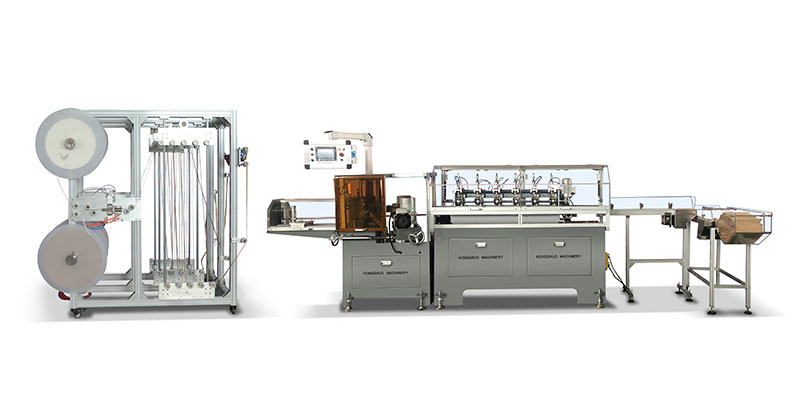
Let's break down true cost for a shop producing 40,000 straws monthly on a $6,500 machine (typical for a reliable compact straw fabrication unit):
| Cost Component | Monthly (40k straws) | Per Straw |
|---|---|---|
| Paper (coated kraft, 170gsm) | $380–480 | $0.0095–0.012 |
| Adhesive (water-based, cross-linked) | $65–85 | $0.0016–0.0021 |
| Electricity (2.5kW × 20 hours) | $70–90 | $0.0018–0.0023 |
| Machine depreciation (36 months) | $180 | $0.0045 |
| Operator labor (8 hours/week) | $200–300 | $0.005–0.0075 |
| TOTAL PER STRAW | $0.022–0.028 |
Compare to buying finished straws at 0.035–0.05each.Yousave0.035–0.05each.Yousave0.013–0.022 per straw. At 40,000 straws monthly, that's $520–880 saved per month. The machine pays for itself in 8–12 months—if your volume holds and your operator stays trained.
8. Common Failure Modes (What Can Go Wrong)
Even good equipment fails in predictable ways. Watch for:
-
Wavy seams – caused by uneven tension or worn glue wheel
-
Straw curling after cutting – heater is too hot or cooling zone missing
-
Adhesive skipping – glue pump needs calibration or filter is clogged
-
Paper tearing at feed – tension too high or paper roll has damaged edge
Most of these are fixable with 15 minutes of adjustment. But if your supplier doesn't provide a detailed troubleshooting guide or video support, you'll spend hours guessing. Ask for documentation before buying.
9. When In-House Production Actually Makes Sense
After watching dozens of bubble tea operators try (and sometimes fail) to bring straw making in-house, here's my honest take: It works best when you have centralized production for multiple locations, or you're a single high-volume shop with dedicated back-of-house space and consistent staffing.
It fails when shops try to squeeze a machine into a cramped corner, assign training to high-turnover part-timers, or expect to run only 30 minutes per day. Straw forming requires batch operation, not just-in-time. Run for 3–4 hours straight, store inventory, repeat weekly.
One successful model: A Vancouver-based bubble tea group with 5 locations installed two small units in their commissary kitchen. One staff member runs straws on Monday mornings (alongside syrup bottling). Each location picks up weekly straw deliveries with their other supplies. Clean, simple, and they saved $14,000 in straw costs last year.
10. The Verdict: Should You Buy?
If your monthly straw spend exceeds $1,200, you have stable staffing, and you can dedicate 4–6 hours weekly to production—yes, strongly consider it. If not, stick with wholesale and focus on your drinks.
For those ready to take the next step, look for equipment with these non-negotiable features:
-
Tool-free mandrel changeover
-
Heated glue tank for cross-linked adhesives
-
Adjustable drying tunnel length (crucial for humid climates)
-
Comprehensive video training library
You can explore configuration options for shop-scale production lines that include these features. Compare side by side before committing.