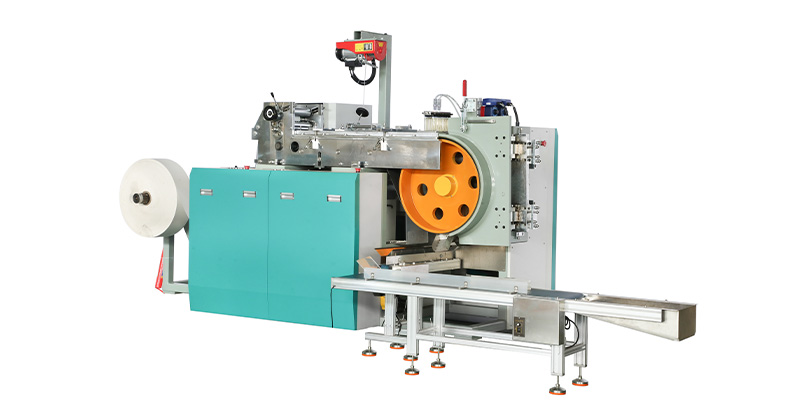
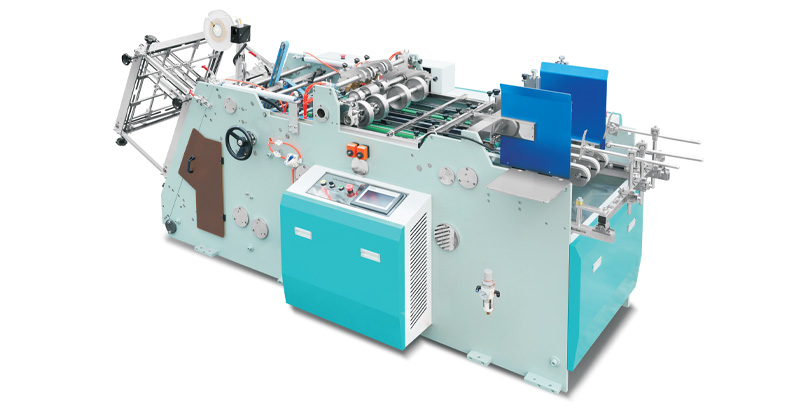
A fully automatic paper straw machine purchase usually starts with a quote comparison and ends with a production decision. The gap between those two points is where most buyers lose time. Before you compare prices, confirm four things: the straw specifications you need to produce, the paper and forming method that fit those specifications, the stable output the machine can hold under your conditions, and the downstream handling your finished product requires.
1. Why the Quote Comparison Usually Comes Too Early
A paper straw machine quote is only useful when it is based on defined product requirements. Two suppliers can quote the same “automatic paper straw machine” and mean entirely different machines: different diameter ranges, different paper layer configurations, different forming methods, different cutting systems, and different levels of downstream integration.
The practical starting point is not the machine. It is the straw. A 6mm cold drink straw and a 12mm bubble tea straw are not the same production requirement. A three-layer straw for hot beverages carries different forming expectations than a single-layer straw for short-term cold use. When the straw specification is clear, the machine conversation becomes specific.
2. The Forming Process and What It Means for Machine Selection
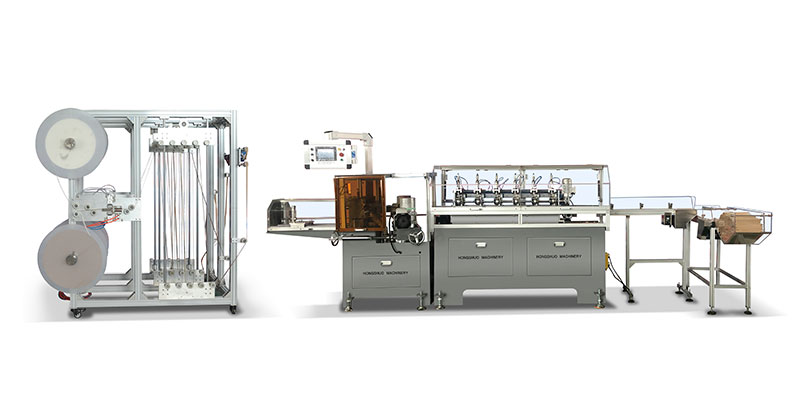
An automatic paper straw machine follows a defined sequence: paper feeding, optional printing, glue application (or glue-free forming), winding/rolling, and cutting. Each stage creates a selection decision.
Paper feeding and slitting. If you purchase pre-slit paper rolls in the correct width, the machine receives ready material. If you plan to buy wider rolls and slit in-house, that becomes a separate equipment and space requirement. Confirm which approach fits your material sourcing plan before comparing machine quotes.
Forming method. The two main routes are glued spiral winding and glue-free forming. Glued forming is the conventional approach, with paper layers bonded by adhesive. Glue-free forming eliminates the adhesive line and relies on controlled tension and pressure during winding. The choice affects the paper specification, the finished straw’s behavior in liquid, and the machine’s forming section design. If your market places emphasis on adhesive-free positioning, this is a specification conversation to have early.
Winding and rolling. Diameter consistency and seam quality are established at this stage. Winding tension, paper alignment, and forming pressure are the variables that determine whether the finished straw holds its roundness and whether the seam stays closed.
Cutting. Cutting accuracy affects length consistency and cut quality. A CNC multi-cutter system is designed to produce finished straws directly, with the number of knives and the cutting control method influencing output stability and waste.
The forming method and paper specification must be evaluated together. A machine configured for one paper grade may not perform identically with a different coating or layer structure. This is why material trial before purchase is not optional for buyers working with unfamiliar paper sources.
3. Capacity: What the Number Actually Represents
Paper straw machine capacity is usually listed as either meters per minute or pieces per minute. These two figures are not interchangeable without knowing the straw length.
A machine running at a given linear speed produces more short straws than long straws per minute. If a supplier quotes pieces per minute, the straw length used for that calculation should be confirmed. If the figure is meters per minute, the buyer can calculate expected piece output based on the target length.
Stable running speed is more useful than maximum speed. Maximum mechanical speed describes what the machine can reach under favorable conditions. Stable production speed describes what it can hold during an eight-hour shift with your paper, your straw size, and your quality tolerance. The difference between the two is where production planning either works or falls apart.
When comparing capacity, ask each supplier the same question: what output can the machine hold continuously with the specified straw size and paper grade, and what waste or rejection rate should be expected during that run? A slower machine with consistent yield may serve a production plan better than a faster machine that requires frequent adjustment. For a closer look at how paper roll specifications interact with output, the notes on paper roll specifications and paper straw machine output provide a useful reference.
4. Straw Specifications That Drive Machine Configuration
Diameter range. The machine’s supported diameter range should cover your product plan. But a range listed on a specification sheet does not automatically mean every diameter within that range runs equally well at the same speed. Confirm which diameters have been verified with the paper you intend to use.
Length range. Cutting length adjustment should match your product sizes. If you produce multiple straw lengths for different beverage formats, confirm the changeover process and the time required between lengths.
Paper layers. Two-layer, three-layer, and multi-layer constructions are used for different straw applications. More layers generally support greater wall strength and heat resistance, but the paper grade and forming method must be matched accordingly. The layer configuration is not a machine-only decision; it is a product and material decision that the machine must support.
Wall thickness. Straw wall thickness affects stiffness, mouthfeel, and liquid resistance. The machine’s forming section must be able to hold the target thickness consistently across the production run.
5. Materials: Paper, Coating and Adhesive
The paper is not a consumable detail. It affects forming behavior, cutting quality, and the finished straw’s performance in liquid.
Paper grade and GSM influence stiffness, winding tightness, and surface finish. A paper that forms well at one layer count may behave differently at another. Coating type affects water resistance and heat resistance. If your target market requires specific food-contact documentation, the paper and coating selection should be confirmed against those requirements before machine configuration is finalized.
Adhesive, when used, must match the forming method and the intended use. For hot beverage applications, the adhesive’s heat resistance becomes a quality factor. For markets that screen for adhesive-free products, the forming method choice eliminates the adhesive question entirely. Buyers producing paper straws for tea beverages or paper straws for hot beverages should treat the paper and coating specification as a product performance decision, not a purchasing afterthought.

Material trial before purchase is the most reliable way to confirm compatibility. A machine demonstration with the supplier’s paper is useful for understanding operation; a trial with your paper is what confirms production feasibility.
6. Machine Configuration: What Changes Between Options
Standard automatic vs. glue-free automatic. The standard automatic machine uses adhesive-assisted winding. The glue-free version eliminates adhesive and relies on forming control. The glue-free route may suit buyers targeting adhesive-free product positioning, while the standard route remains a practical option for conventional spiral straw production.
Forming and cutting control. Servo-driven systems provide parameter control for diameter and length, with touchscreen interfaces for adjustment. Mechanical systems may offer a different cost and maintenance profile. The control system affects changeover speed, size accuracy, and the skill level required from operators.
Downstream integration. A forming machine produces loose straws. If your finished product requires individual wrapping, grouped packing, or counting, those are separate equipment decisions. Planning the downstream step at the same time as the forming machine prevents a bottleneck at collection. The available paper straw machine configurations cover forming and packing options for different finished-product requirements.
7. A Practical Selection Sequence
Step 1: Define the straw. Diameter, length, wall thickness, layer configuration, and intended beverage use.
Step 2: Confirm the paper. Grade, GSM, coating, and food-contact requirements. Test with the machine supplier if the paper source is not already proven.
Step 3: Choose the forming method. Glued or glue-free, based on product positioning and paper compatibility.
Step 4: Calculate required output. Use stable speed, not maximum speed. Include changeover time, startup waste, and maintenance allowance in the production plan.
Step 5: Plan downstream handling. Decide whether loose collection, counting, or packing equipment belongs in the initial project.
Step 6: Verify before purchase. Material trial, sample approval criteria, and factory acceptance testing scope should be agreed before the order is finalized.
8. FAQ
What speed can an automatic paper straw machine hold in continuous production?
Stable speed depends on straw diameter, length, paper grade, and quality tolerance. A machine’s maximum speed is not the same as its production speed. Confirm the stable output for your specific straw specification with the supplier.
Can one machine produce different straw diameters and lengths?
Many automatic models support a range of diameters and cutting lengths through parameter adjustment. The practical range for stable production should be confirmed for your paper and product mix.
What paper is suitable for paper straw production?
Food-grade paper grades are selected for stiffness, forming behavior, and liquid resistance. The GSM and layer configuration should match the straw’s intended use and the machine’s forming capability.
Do I need glue-free forming?
Glue-free forming suits buyers targeting adhesive-free product positioning. Conventional glued forming remains a practical route for standard spiral straw production. The choice depends on your market requirements and paper compatibility.
How should capacity be compared between suppliers?
Ask for stable output with your straw size and paper, plus expected waste and rejection rates. Compare meters per minute or pieces per minute only when the straw length basis is the same.
What should be confirmed before shipment?
Material trial results, finished sample approval criteria, continuous running stability, and the scope of factory acceptance testing should all be documented before shipment.
Conclusion
The most useful comparison between paper straw machine suppliers is not the quote total. It is the fit between the machine’s forming capability and your defined straw specification, paper source, and production target. Start with the straw and the paper. Then evaluate capacity against stable output, not headline speed. Confirm the forming method against your market positioning. And verify everything with a material trial before the order is finalized.
If you are working through these decisions, the available paper straw machine configurations and the related application notes provide a starting reference for the specification conversation. For a look at how one production project addressed heat resistance and export quality requirements, the paper straw machine case in Vietnam documents the testing and approval process.