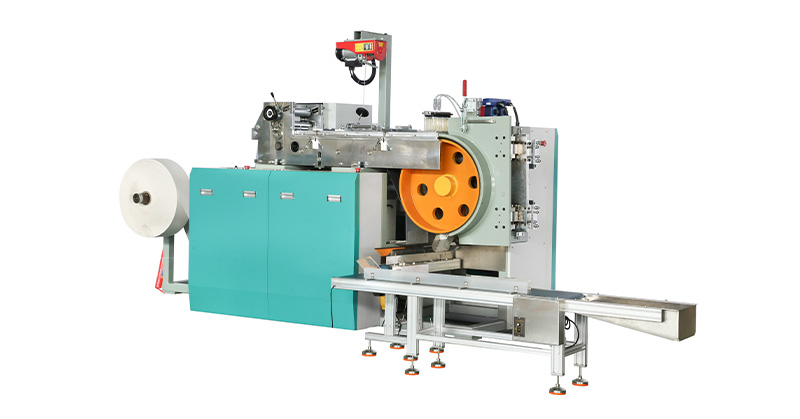
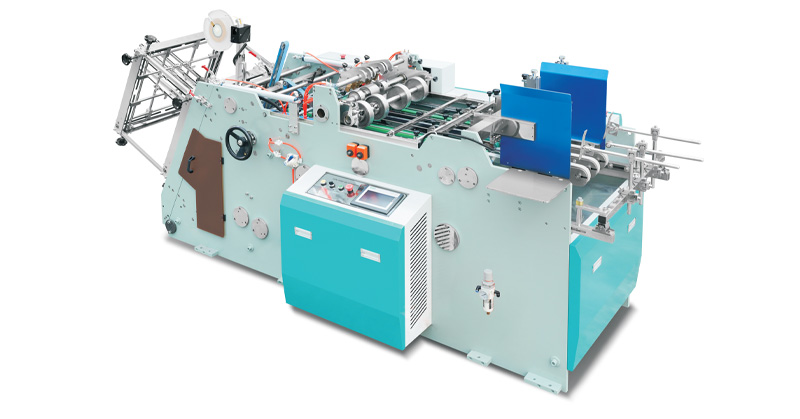
You’re exploring paper packaging production. You see machines that produce paper lunch boxes and paper cups. From a distance, they look similar—both process paperboard, both use molds, both produce disposable food containers. But they are fundamentally different pieces of equipment.
Choosing the wrong machine for your intended product means lost time, wasted capital, and months of frustration.
This guide explains the key differences between paper lunch box machines and paper cup machines, covering materials, forming processes, product applications, and production considerations.
Understanding the Core Difference: Product Shape and Structure
The most fundamental difference lies in what each machine produces.
Paper Lunch Box Machine
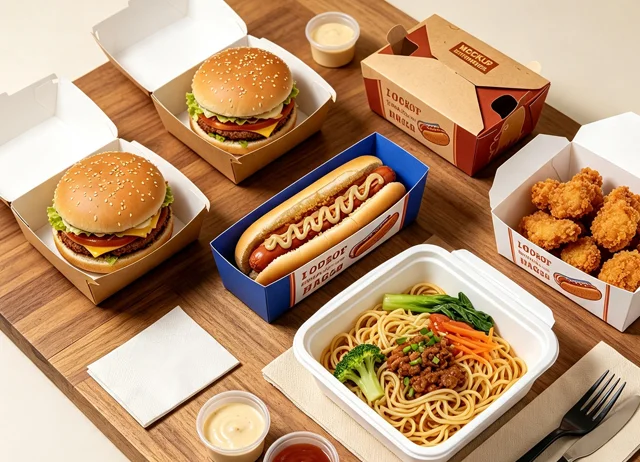
A paper lunch box machine produces three-dimensional cartons and boxes—containers with defined corners, flat bottoms, and vertical or slightly tapered side walls. These are folding cartons formed from a single die-cut blank. Hongshuo’s paper lunch box machines, for example, can produce flip-top boxes, boat-shaped containers, window boxes, fold-over boxes, and lock-bottom paper boxes, serving the fast food, baking, and food delivery industries.
The output is a box-like structure that holds solid food items—burgers, fries, pastries, cakes, and full meals. The shape is defined by folding panels and creases rather than seamless wrapping.
Paper Cup Machine
A paper cup machine produces cylindrical or tapered containers—cups, bowls, and buckets with a round bottom and a continuous side wall. Paper cups are made by wrapping a fan-shaped blank around a mandrel, sealing the side seam, and attaching a circular bottom disc.
The output is a cup or bowl designed for beverages (hot coffee, cold drinks, tea) or liquid/semi-liquid foods like soup, ice cream, or yogurt. The shape is inherently rounded and requires side-seam sealing.
Raw Materials: Different Paper Grades and Coatings
Paper Lunch Box Materials
Paper lunch box machines typically process 200–600 g/m² paperboard, including cardboard, coated paper, and corrugated paper. The material is generally thicker and stiffer to provide structural integrity for holding solid food items.
-
Uncoated paperboard: Standard for dry food boxes (burgers, pastries)
-
Coated paperboard: Provides grease resistance for oily foods like fried chicken
-
Corrugated paper: Offers extra strength for larger containers or heavy meals
-
200–600 gsm range: Hongshuo’s machines support this full range
The material must hold folds and creases without cracking, as box structure relies on precise folding at score lines.
Paper Cup Materials
Paper cup machines use PE film-coated paper (polyethylene-coated paperboard) typically weighing 150–300 gsm, with PE film thickness of 12–24 gsm. The PE coating is essential because it melts under heat (or ultrasonic welding) to seal the cup’s side seam and bottom attachment.
-
Single PE paper: PE coating on the inside surface only—popular for hot drinks and ice cream cups
-
Double PE paper: PE coating on both surfaces—suitable for all types of drinks
-
150–300 gsm range: The paperboard weight varies by cup size, with thicker paper for larger cups
Forming Process Comparison
The manufacturing processes differ significantly.
Paper Lunch Box Forming Process
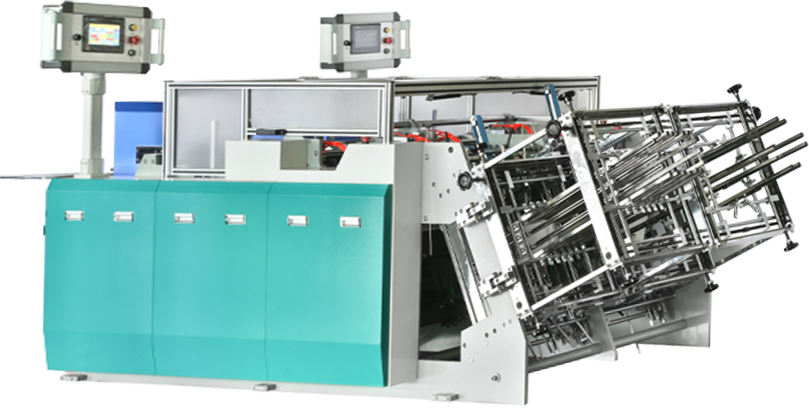
A paper lunch box machine starts with pre-cut, pre-printed flat blanks. The process typically follows these steps :
-
Automatic paper feeding — Vacuum suction mechanism picks individual blanks from the stack
-
Scoring and pre-folding — Creates crease lines for box edges, corners, and hinges
-
Glue application — Precision adhesive application to bonding points
-
Mold pressing — Matched top and bottom molds close to form the 3D shape
-
Hinge formation — For clamshell-style boxes, the hinge is formed during or immediately after pressing
-
Quality control and output — Sensors check for full formation and adhesive integrity
The key characteristic is folding and pressing—the blank is creased and folded into a box shape by mold pressure.
Paper Cup Forming Process
Paper cup production is a continuous, rotary process where a flat fan-shaped blank is wrapped around a mandrel :
-
Fan blank feeding — Pre-cut fan-shaped paper blanks are fed to the mandrel
-
Side seam welding — The two edges of the fan are welded together, typically using heat (copper heater) or ultrasonic welding
-
Silicone oil lubrication — Applied to the cup rim for the curling process
-
Bottom punching — Bottom paper is die-cut from a paper roll
-
Bottom preheating — The cup bottom area is preheated
-
Bottom folding — The bottom disc is folded into position
-
Bottom knurling — The bottom is heat-sealed or pressed to form a leak-proof seal
-
Top curling — The cup rim is curled for smooth drinking
-
Cup discharging — Finished cups are ejected
The key characteristic is wrapping and sealing—the cup is formed around a mandrel, with the side seam and bottom seal being the critical bonding points.
Application Comparison: What Do They Produce?
| Feature | Paper Lunch Box Machine | Paper Cup Machine |
| Final product shape | Boxes with corners and flat bottoms | Round cups with tapered or straight sides |
| Typical products | Burger boxes, cake boxes, French fry containers, takeaway meal boxes, bento boxes | Hot/cold beverage cups, coffee cups, tea cups, ice cream cups, soup bowls |
| Common sizes | Varies by box style; typically holds 1–6 portions of solid food | Measured in ounces (oz) — 2oz to 22oz+ for cups; up to 200oz for buckets |
| End-use industries | Fast food, baking, food delivery, takeaway restaurants, catering | Coffee shops, fast food beverage service, events, office catering, vending |
Equipment Comparison: What to Look For
Paper Lunch Box Machine Considerations
When evaluating a paper lunch box machine, key factors include:
-
Station count: Single-station (60–300 pcs/min) vs. double-station (120–600 pcs/min)
-
Drive system: Mechanical/cam drive vs. servo motor for precision and changeover speed
-
Adhesive system: Hongshuo offers food-grade cold glue as standard, with hot melt as an optional process
-
Mold customization: Machines can be customized for specific box styles; customers can provide box samples or drawings for custom molds
-
Material compatibility: Confirming 200–600 gsm paperboard compatibility is essential
Paper Cup Machine Considerations
When evaluating a paper cup machine, key factors include:
-
Cup size range: The machine must handle your target cup capacities (oz) and dimensions
-
Paper type compatibility: Single PE vs. double PE coated paper—determined by whether you serve hot or cold drinks
-
Side seam welding: Copper heater vs. ultrasonic welding—ultrasonic is common for double PE paper cups
-
Production speed: Typically 65–85 pcs/min for standard machines, with high-speed options
-
PE coating: The PE film is essential for sealing the cup structure, as PE melts under heat to seal the paper together
Key Takeaway
The choice between a paper lunch box machine and a paper cup machine comes down to the product you intend to produce. For box-like, three-dimensional containers with corners and folds, a paper lunch box machine is the correct choice. For rounded, cylindrical cups with a side seam and bottom seal, a paper cup machine is required.
For a detailed review of paper lunch box machine specifications and production capabilities, visit the paper lunch box machine specifications and capacity options. To see how paper lunch box machines serve different food packaging applications, explore the paper lunch box machine application examples for various box styles and production volumes.